You’ve decided the bathroom needs an update, and now you’re wondering if the old tub should stay in the new design. A walk-in shower looks clean and current, but the tub-shower combo has stayed popular for decades for good reasons, particularly when there are kids in the home.
The right choice depends on who uses the bathroom, how much space you have, and how long you plan to stay. This guide compares cost, accessibility, maintenance, and resale value to help you plan your bathroom remodel with confidence.
What’s the difference between a walk-in shower and a tub-shower combo?
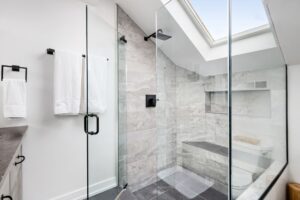
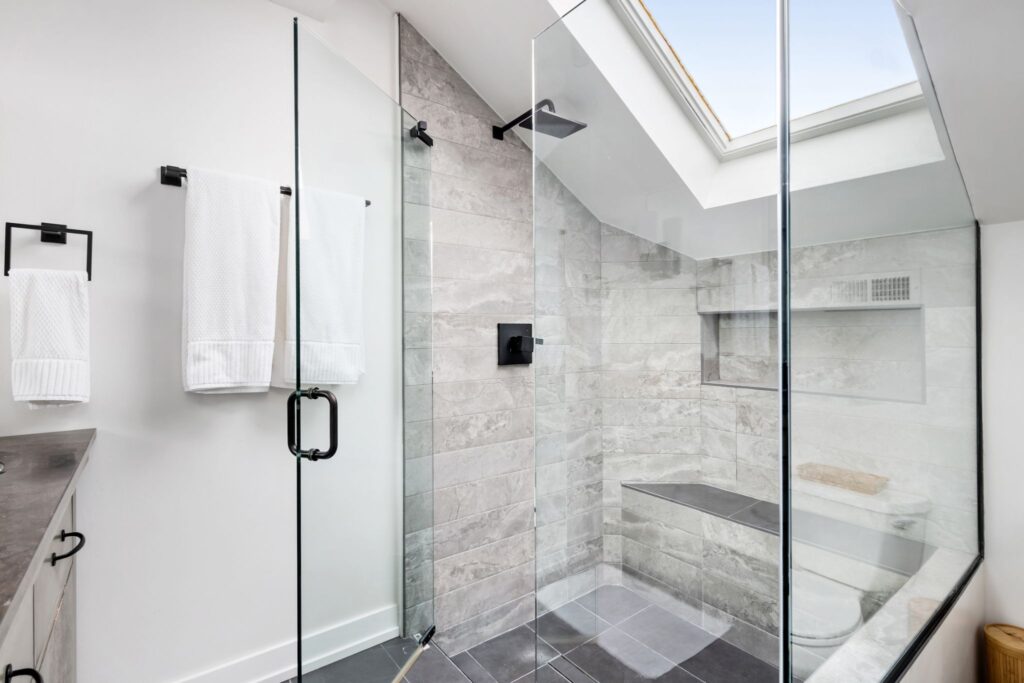
A walk-in shower is a stand-alone shower you step into with little or no threshold. Most use a low curb or curbless entry, a glass panel or door, and a tiled or prefabricated base.
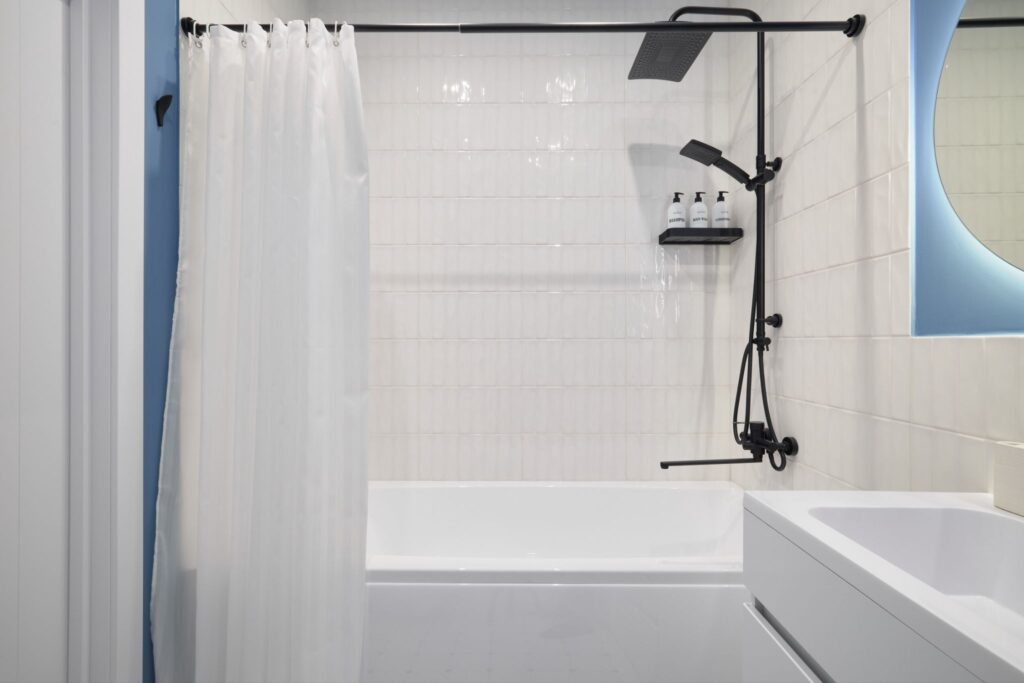
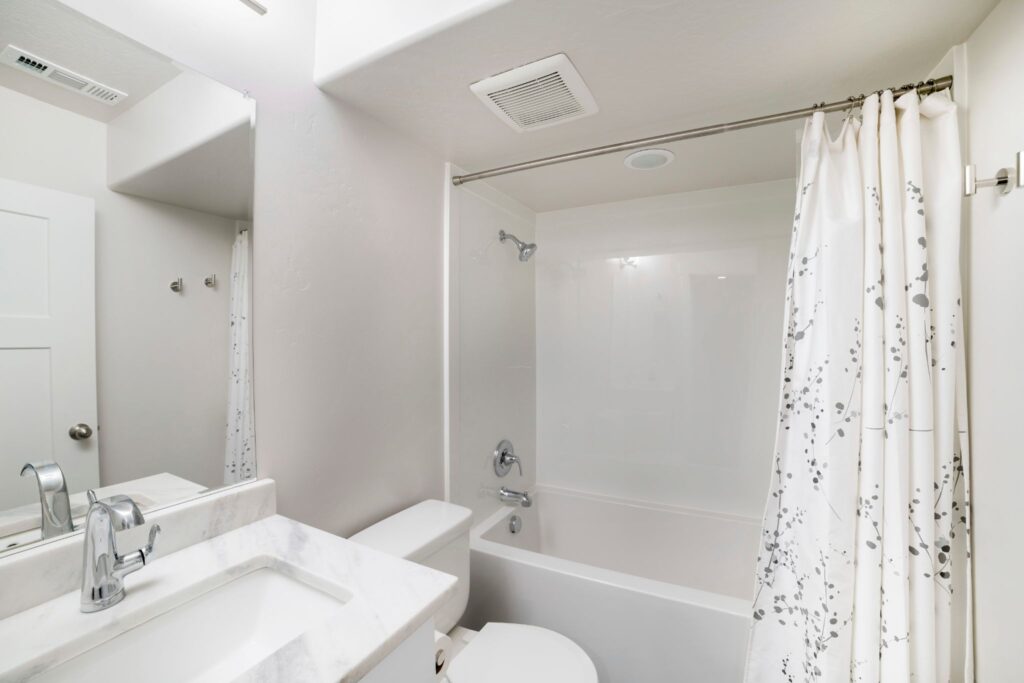
A combo unit pairs a standard bathtub, usually 60 inches long, with a showerhead and wall surround above it. A curtain or glass door keeps the water in. You get both bathing options in a single footprint, which is why combos fill so many hall bathrooms.
The needs of the space differ, too. A walk-in shower needs at least 30 by 30 inches, and 36 by 36 inches or larger feels more comfortable.
Walk-in shower vs. tub: how they compare
| Factor | Walk-in shower | Combo unit |
| Typical installed cost | About $3,500 to $15,000 for a custom tiled build | About $1,000 to $4,400 for a standard unit |
| Space needed | 30 by 30 inches minimum; 36 by 36 inches or larger preferred | Standard 60-inch tub footprint |
| Accessibility | Low or no threshold; easy to add a bench and grab bars | Requires stepping over the tub wall |
| Best for | Adults, aging in place, and primary bathrooms | Young families, hall baths, and guest baths |
| Cleaning | Glass and grout need regular wiping | One-piece surrounds have fewer seams, but the tub adds surface area |
| Resale appeal | Strong in primary suites | Important when the home has no other tub |
How walk-in shower cost compares to a combo
Budget often drives this decision more than anything else. Converting a tub into a custom-tiled walk-in shower costs about $3,500 to $15,000, according to Angi’s conversion cost guide. The same guide puts a new tub-shower combo at about $1,000 to $3,200 for a 60-by-30-inch unit and up to $4,400 for a larger 60-by-36-inch model.
Several factors push walk-in shower cost toward the high end:
- Custom tile and waterproofing, which take more labor than a one-piece surround
- Frameless glass, which costs more than a curtain or framed door
- Moving the drain or valve to suit a new layout
- Extras such as a built-in bench, a niche, or a curbless entry
HomeLight’s 2026 shower remodel breakdown puts prefabricated showers at roughly $700 to $3,000. A prefab base and wall kit offers a middle path if you want a walk-in layout without the price of custom tile.
When a walk-in shower makes sense
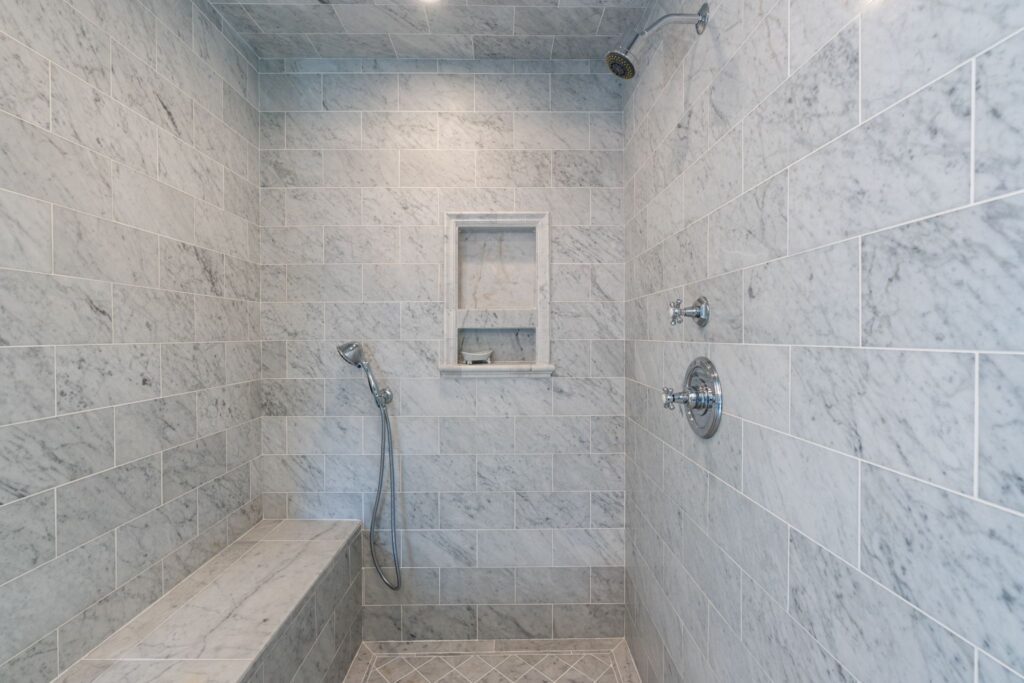
A walk-in shower earns its place when:
- Everyone in the household showers and nobody takes baths
- Someone has limited mobility, or you plan to age in place
- The primary bathroom feels cramped, and you want a more open layout
- You want a larger shower with a bench, a handheld sprayer, or dual showerheads
A low or curbless entry removes the need to climb over a tub wall. That makes daily use safer and easier for older adults and anyone recovering from an injury.
When a tub-shower combo is the smarter pick
Families with young children often find it hard to give up a tub. Bathing a toddler in a walk-in shower takes more effort, and many parents see a tub as the safer option. Real estate professionals interviewed by the National Association of Realtors name young families as one of the groups most likely to want at least one tub in a home.
That point carries extra weight in Utah, which has recorded the largest average household size in the nation since the 1980 census, according to the Kem C. Gardner Policy Institute. A family-friendly bathroom makes a strong selling point along the Wasatch Front.
A combo also fits compact hall bathrooms better, costs less to install, and gives guests both options.
What to know before replacing a tub with a walk-in shower
The walk-in shower vs. tub decision rarely needs to be all-or-nothing. Most real estate agents recommend keeping at least one tub somewhere in the home. A common approach is to install a walk-in shower in the primary suite and keep a tub-and-shower combination in the hall bathroom for kids and guests.
Return on investment varies. Angi estimates that most tub-to-shower conversions recover 45% to 74% of their cost, with an average of about 60%. Replacing a tub with a walk-in shower in a secondary bathroom carries less resale risk when the home keeps another tub.
Frequently asked questions
Is a walk-in shower cheaper than a tub?
Usually not. A standard tub-and-shower unit costs less to install than a custom-tiled walk-in shower. A prefabricated walk-in kit can narrow the gap, but changes to tile, glass, and plumbing can quickly raise the price.
What’s the average price of a walk-in shower?
Walk-in shower cost depends mostly on materials and layout. Prefabricated units can start around $700, while custom tiled builds commonly reach $6,000 to $12,000 or more. Ask for itemized quotes so you can compare tile, glass, and labor separately.
Does removing a bathtub hurt resale value?
It can if you remove the home’s only tub. Buyers with young children often look for at least one. Keeping a tub in a secondary bathroom protects resale appeal while you enjoy a walk-in shower in the primary suite.
How long does replacing a tub with a walk-in shower take?
A straightforward conversion typically takes one to three days. Custom tile, curbless entries, and plumbing changes can extend the project by a week or more.
Can a walk-in shower fit in a small bathroom?
Yes. A walk-in shower can fit in a space as small as 30 by 30 inches, and it often fits within the footprint a 60-inch tub once occupied. A clear glass panel instead of a curtain also keeps a small room feeling open.
Does a combo work in a primary bathroom?
It can, especially in smaller primary suites or homes with young kids. Homeowners with more space often prefer a separate walk-in shower and a soaking tub, which gives each its own spot.
Choose the right fit with Mountain States Kitchen and Bath
The best bathroom for your home is the one that fits the people who use it every day. A walk-in shower offers easy access and a modern look, while a tub-shower combo keeps the flexibility families need. For many homes, the walk-in shower vs. tub answer includes both.
Mountain States Kitchen and Bath helps homeowners from Lehi to Payson plan bathrooms that work for their households. Because we build our own custom cabinetry, you can pair your new shower or tub with a vanity made for your space, straight from the factory. Visit the showroom at 1520 N. State St. in Lehi, Monday through Friday from 9 a.m. to 5 p.m., contact us, or call 801-285-6769 to talk through your options.