What does bath time look like in your house?
For some families, it means toddlers splashing with rubber ducks. For others, it means wrangling a muddy dog or sinking into a long soak after work. Look for a tub that handles the way you use it most.
If you’re planning a bathroom remodel, you have choices beyond the tub you have now. This guide breaks down standard and Victorian styles, tub size, cost, and other types of bathtubs worth considering.
What is a standard bathtub?
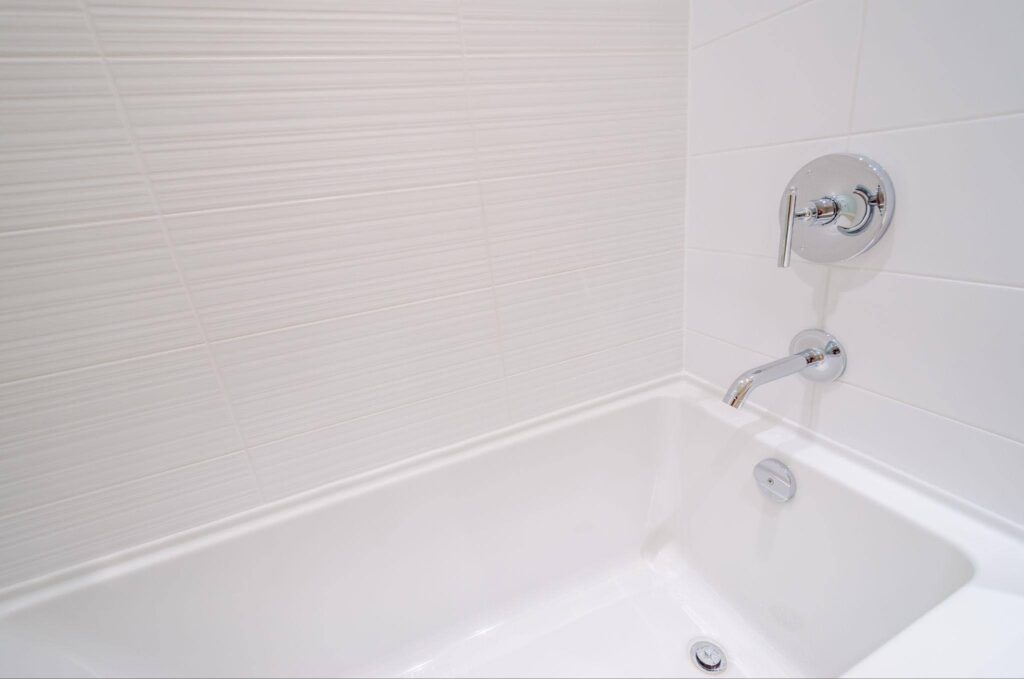
A standard bathtub usually means an alcove tub, the most common style in American homes. It sits recessed into a nook with walls on three sides and a finished front panel, called an apron, on the open side. Most alcove tubs include a showerhead overhead, which makes the tub and shower setup the default in many hall bathrooms.
Standard bathtubs handle everything from bathing kids to rinsing off the dog, and they cost the least to buy and install.
Two built-in cousins fall into this category:
- Tub-shower combos mold the tub and wall surround into one-piece or multi-piece units, usually fiberglass or acrylic. The molded walls leave fewer seams to clean than tile and suit bathrooms with no room for a separate shower.
- Corner tubs tuck into a corner, usually with an angled or pentagonal shape and two sides against the walls.
Standard tub size and dimensions
Most standard bathtubs share a 5-foot footprint that fits hall and guest bathrooms. The measurements below come from This Old House.
| Dimension | Typical measurement | Common range |
| Length | 60 inches | 55 to 72 inches |
| Width | 30 to 32 inches | 27 to 36 inches |
| Height | 14 to 16 inches | 14 to 20 inches |
| Water depth | 14 to 20 inches | 12 to 22 inches |
Measure the alcove wall to wall before you shop. Standard tub size refers to the tub’s exterior, so a 60-inch model gives you less room to stretch out inside.
What is a Victorian bathtub?
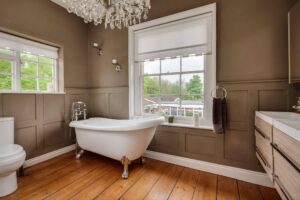
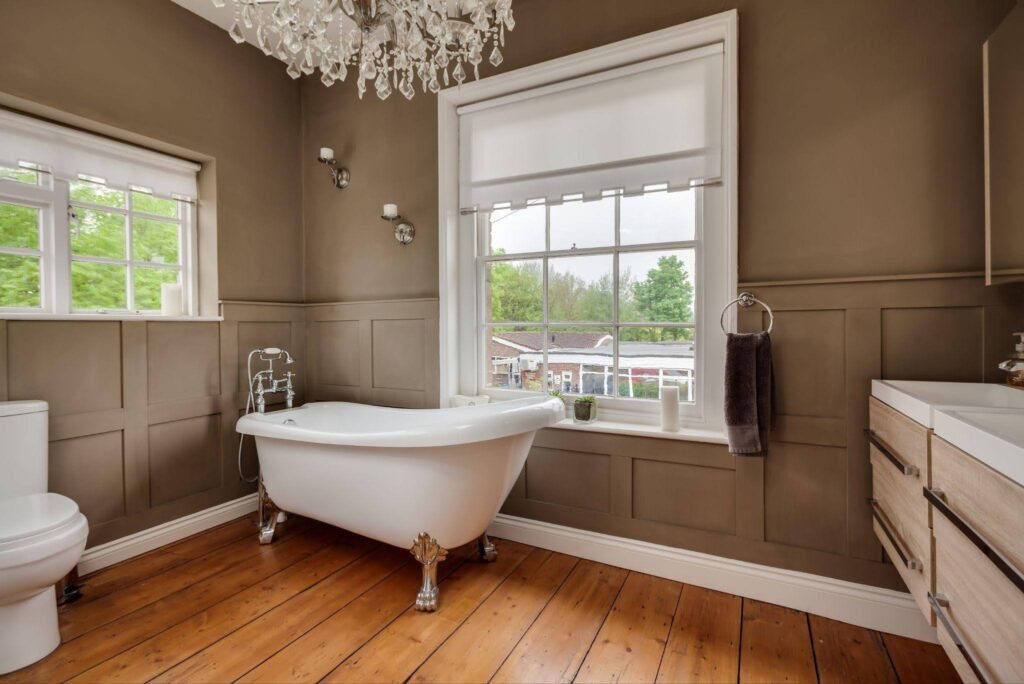
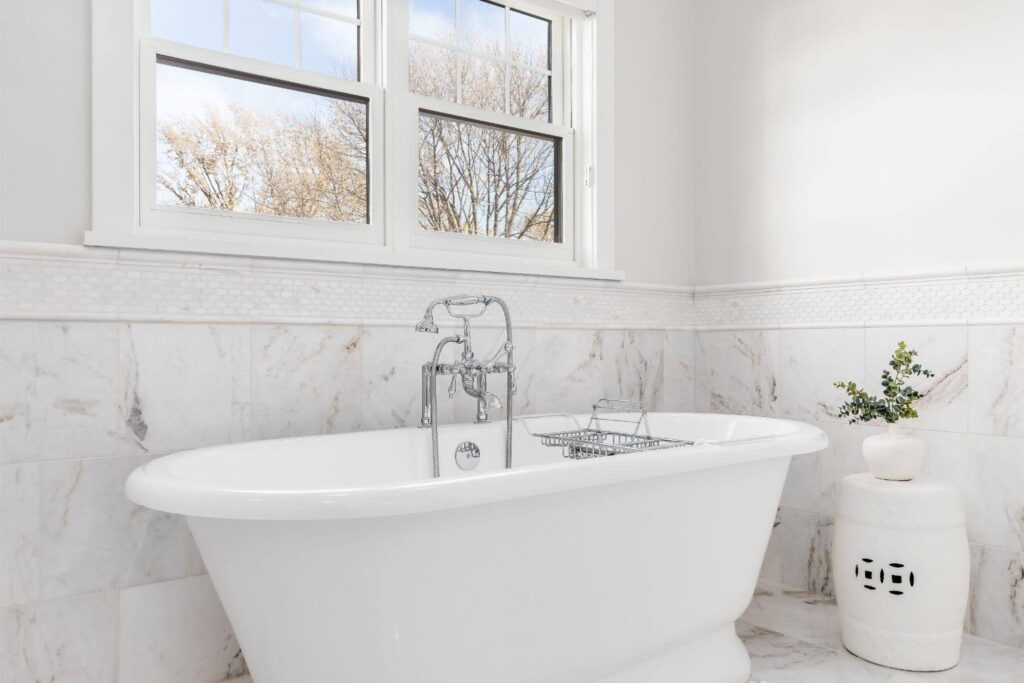
This freestanding style, finished on all sides, draws on 19th-century designs. You can place one in an alcove, against a wall, or in the middle of a large primary bathroom.
Common Victorian styles include:
- Clawfoot tubs, which stand on four decorative feet
- Slipper tubs, which rise at one end to support your back, while double slippers rise at both ends
- Roll-top tubs, which have a rounded rim and sit on feet or a solid base
- Pedestal tubs, which rest on a solid plinth instead of feet
Most come in enameled cast iron or acrylic, which look similar but differ in weight, price, and lifespan.
Victorian vs. standard: how the styles compare
| Factor | Standard bathtub | Victorian tub |
| Typical installation cost | About $450 to $1,400 for an alcove tub | About $1,200 to $10,000 for a freestanding or clawfoot tub |
| Footprint | Fits a 60-inch alcove | Needs open floor space around the tub |
| Soaking depth | Shallower, so water covers only part of the body | Deeper, for a full soak |
| Shower use | Pairs easily with a showerhead and surround | Needs a ring curtain or a separate shower |
| Weight | Lightweight acrylic or fiberglass in most homes | Cast-iron models often need a floor check |
Cost ranges come from Fixr’s bathtub installation guide.
Many homeowners combine options, with a freestanding tub in the primary suite and an alcove tub with a shower in the hall bath. Once you settle on a tub, plan the countertops and sinks around it.
Garden tub vs. standard tub: where garden tubs fit
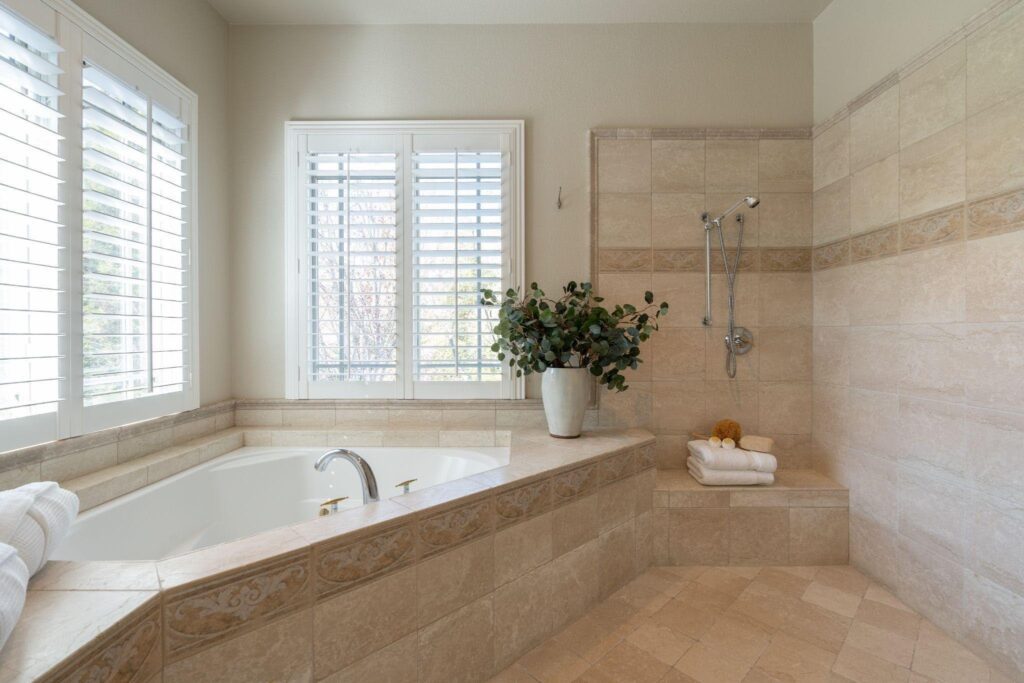
A garden tub is a wider, deeper built-in tub, often oval, made for soaking. Most garden tubs are drop-in models. The installer lowers the tub into a framed deck finished in tile or stone, so only the rim shows. A raised lip keeps water off the floor.
Garden tubs offer a full-body soak like a Victorian tub, but they’re built into the room rather than freestanding. They take up more floor space than an alcove tub, and the custom deck adds installation work. Drop-in installations typically run about $900 to $5,000. A soaking tub, by contrast, prioritizes depth over width.
Other types of bathtubs to know
Most tubs fall into three installation styles: alcove, drop-in, and freestanding. Within those, a few other types of bathtubs show up in remodel plans:
- Soaking tubs run deeper than standard models and come in alcove, drop-in, and freestanding versions.
- Jetted and whirlpool tubs add water or air jets and come in built-in and freestanding styles. Some need electrical work.
- Walk-in tubs add a watertight door and a built-in seat for bathers with limited mobility.
Frequently asked questions
Are all standard tubs the same size?
No. Most share a 60-inch length, but width, rim height, and interior depth vary by model. Drain placement varies too, so confirm the left- or right-hand drain matches your existing plumbing before you order.
Is a clawfoot tub the same as a Victorian bathtub?
Not exactly. A clawfoot tub is one Victorian style, defined by its four decorative feet. Every Victorian tub stands free, but many sit on a solid base or pedestal instead.
Can you put a shower over a Victorian tub?
Yes. A clawfoot shower kit adds a riser pipe, a showerhead, and a ring-style curtain rod. Choose cast iron over acrylic if you plan to shower daily.
Do clawfoot tubs need extra floor support?
Sometimes. An empty cast-iron clawfoot tub weighs roughly 200 to 400 pounds, according to House Digest, and water and a bather add several hundred more. Ask a contractor to check the joists, especially for a second-floor bathroom.
Is cast iron or acrylic better for a Victorian bathtub?
Cast iron holds heat longer and can last nearly 100 years, but it weighs several times more and costs more. Acrylic keeps the price and weight down and typically lasts 10 to 20 years.
Is it difficult to replace a bathtub?
A same-size swap typically takes six to eight hours. Switching from an alcove tub to a freestanding model takes more work: removing the old surround, tiling the exposed wall, patching the flooring, and sometimes rerouting the plumbing. That build-back adds about $800 to $3,000, according to Fixr.
Upgrade your bathroom with Mountain States Kitchen and Bath
Whichever style you choose, the tub anchors the rest of the bathroom layout, from plumbing and flooring to the vanity. Settling on it early makes every other decision easier.
Mountain States Kitchen and Bath helps homeowners from Lehi to Payson plan bathrooms around the way they live. Because we build our own custom cabinetry, you can pair your new tub with a vanity made for your space, straight from the factory.
Visit the showroom at 1520 N. State St. in Lehi, Monday through Friday from 9 a.m. to 5 p.m. To schedule a consultation, contact Mountain States or call 801-285-6769.