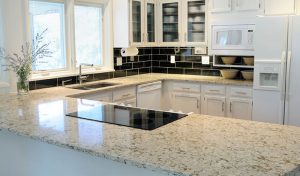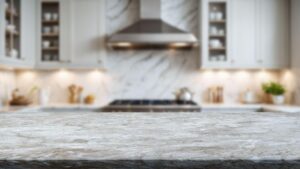
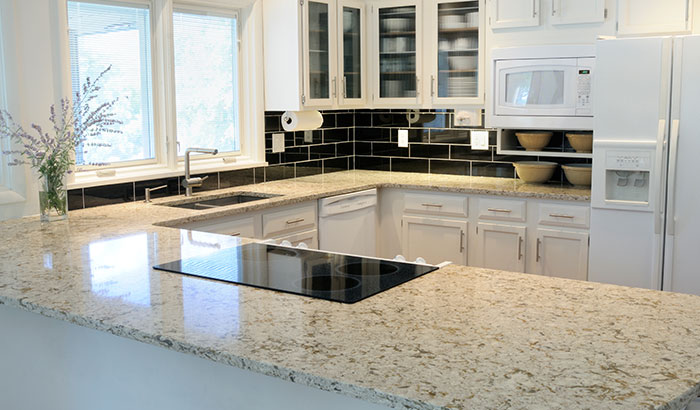
Quick answer: Granite countertops resist heat, scratches, and daily wear better than most materials, and no two slabs look alike. The tradeoffs are cost, weight, and upkeep: granite typically runs $40 to $100 per square foot installed, needs professional installation, and requires periodic sealing to stay stain-resistant. For most kitchens, it remains one of the most durable natural stone options available.
Picking a countertop material means balancing looks, budget, and how much upkeep you’re willing to do. Granite has been a go-to choice for decades. While there are other options, it’s been a long-time classic.
This breakdown covers what a granite kitchen counter costs and requires, letting you weigh granite countertops for the kitchen against other materials.
What is a granite countertop?
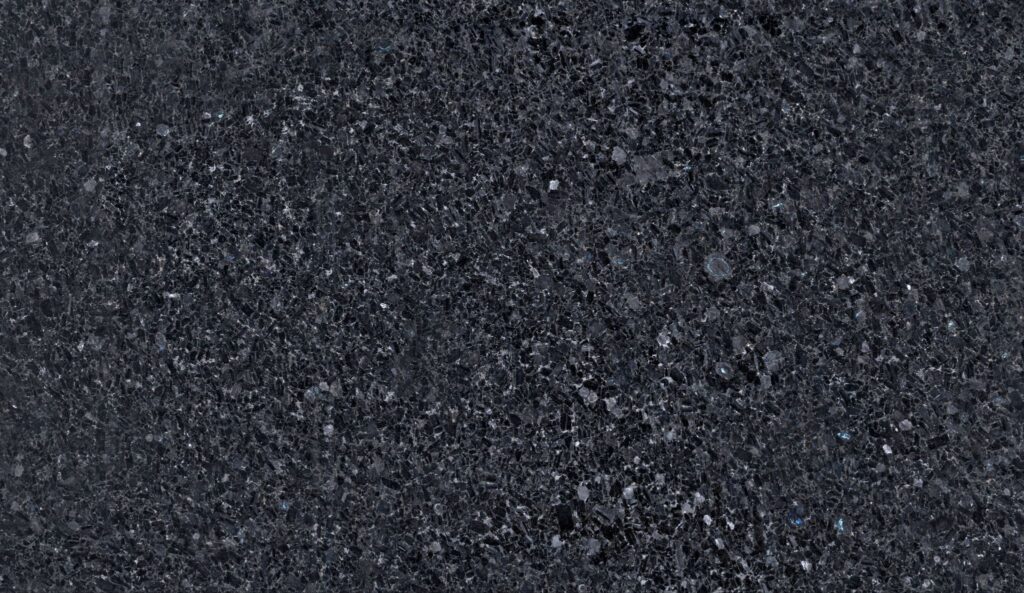
Granite is a natural igneous rock made mostly of quartz, feldspar, and mica, quarried in large blocks and cut into slabs for a variety of household surfaces. Each slab is polished to a smooth finish and cut to fit a specific kitchen or bathroom layout.
Because it’s a natural material rather than a manufactured one, no two granite kitchen counter slabs look the same. The color and veining for each piece depend on which quarry the stone came from, with Brazil, India, and Italy among the largest sources of slab granite sold in the United States.
The pros of granite countertops for the kitchen
Granite has stayed popular for a reason. The most common advantages homeowners cite include:
- Granite rates 6 to 7 on the Mohs hardness scale, close to that of a steel knife blade, so it holds up well to everyday use.
- Natural veining and color variation mean your granite countertops will look different from anyone else’s.
- With periodic sealing, granite lasts for decades without needing replacement, spreading its upfront cost over a long ownership window.
- Granite is widely recognized as a premium surface, and it tends to read well to future buyers touring the kitchen.
- Wiping with mild soap and water keeps a sealed granite kitchen counter clean.
- A properly sealed surface resists most household cleaners, acidic spills, and everyday moisture.
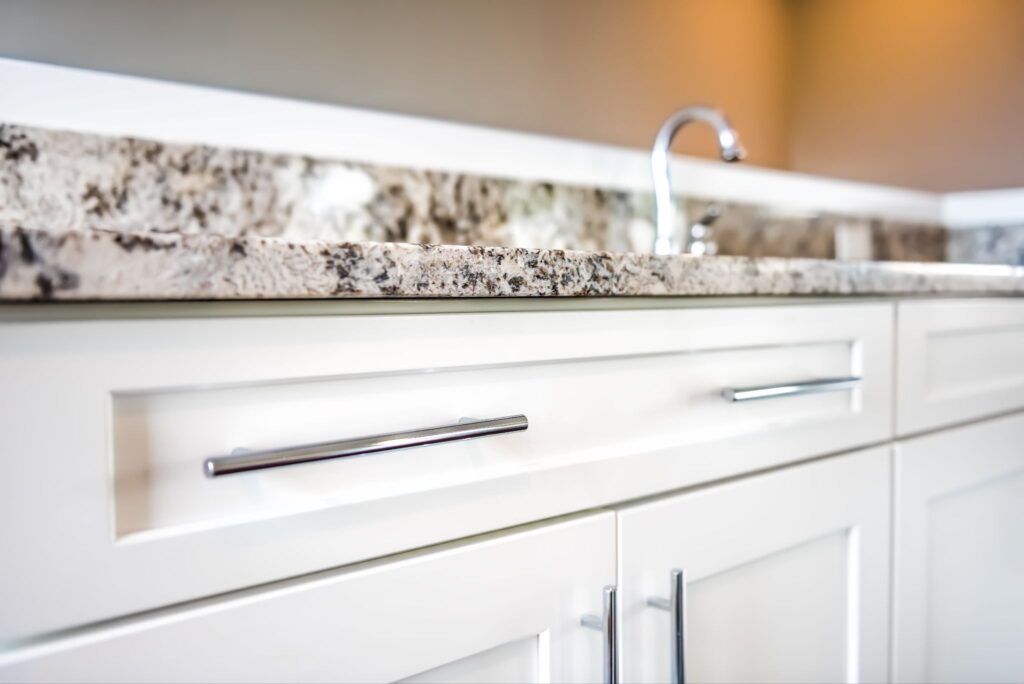
The cons of granite countertops for the kitchen
Granite isn’t always going to be the right fit for every kitchen. Some of the tradeoffs include:
- Granite runs at a higher price point than laminate and many solid-surface materials. Unique or rarer colors push the price well past standard ranges.
- Granite is dense and heavy, requiring reinforcement for the cabinets underneath to support it properly.
- Unsealed or poorly sealed granite can absorb stains and moisture, so it needs sealant reapplied roughly every one to two years, depending on the stone and how it’s used.
- The surface is scratch-resistant, but dropping something heavy directly on an edge or corner may chip it.
- Between the weight and the precision cutting it requires, this isn’t a realistic do-it-yourself project.
- Some homeowners notice granite feels cooler than other materials, particularly during the winter.
How much does a granite kitchen counter cost?
Pricing varies by slab quality, color rarity, and edge profile. HGTV puts the average granite countertop at roughly $50 to $200 per square foot, while Forbes Home estimates a typical range of $40 to $100 per square foot for standard installed granite. Premium patterns may push well past those figures.
Edge profile also factors into the total: a simple eased or bullnose edge costs less than a decorative ogee or waterfall edge, since those styles require more labor and material to shape. The installation price typically covers more than the raw slab, so ask for a full installed quote for a more accurate price range than comparing slab prices.
What about granite countertops with sink installations?
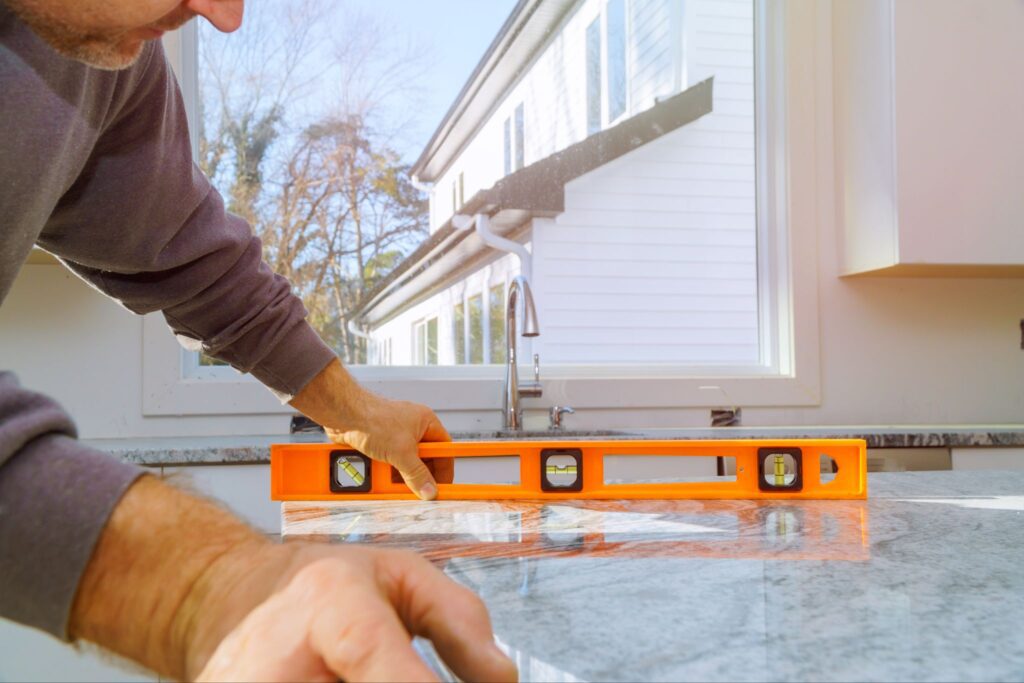
Choosing granite countertops with sink cutouts adds a few extra considerations. Undermount sinks are the most common pairing for granite countertops with sink openings because the polished edge of the cutout stays exposed and easy to wipe down, unlike a drop-in sink lip that traps crumbs.
Fabricators have to template the cutout precisely before fabrication, since they can’t trim granite on-site the way they can with other materials.
Most sink materials, including stainless steel, cast iron, and composite granite, work well structurally in granite countertops with sink cutouts, but confirm that the cabinet base underneath can support the combined weight. A qualified installer will factor sink placement into the sealing plan, since the seam around the cutout is a more vulnerable spot for moisture.
Is granite still a good choice for kitchens?
Granite remains one of the most widely installed natural stone countertops in the country, and its durability holds up regardless of design trends.
Granite’s Mohs hardness of roughly 6 to 7 makes it highly resistant to scratches from daily knife use and cookware. This is partially why it’s stayed a standard alongside newer engineered options like quartz.
The right choice usually comes down to budget, how much upkeep a homeowner wants to commit to, and personal preference on pattern versus uniform color.
Granite isn’t the only natural stone worth considering, either. Marble, quartzite, and soapstone each bring their own pros and cons, and you might find one of those alternatives fits your kitchen better than granite does. For a closer look at how these materials compare, our guide to countertop options other than granite walks through the tradeoffs in more detail.
Frequently asked questions
What color granite never goes out of style?
Neutral colors, especially white, black, and gray granite, tend to stay in style the longest. They pair with almost any cabinet color and don’t date a kitchen the way a trendier pattern might.
Is darker or lighter granite better?
Neither is objectively better; it depends on the kitchen. Lighter granite tends to make a small kitchen feel larger and shows less dust, while darker granite hides small stains well but shows dust and water spots more visibly.
What is the downside of granite countertops?
The main downsides are cost, weight, and upkeep. Granite runs more than laminate or many solid-surface materials, needs a reinforced cabinet base, and requires periodic sealing to stay stain-resistant.
How long do granite countertops last?
With proper sealing, granite countertops typically last 20 to 25 years on average, and well-maintained granite can hold up for 100 years or more, making it one of the longest-lasting countertop materials available.
Can granite crack or chip?
Granite resists cracking under normal use, but a heavy, direct impact, especially near an edge or corner, can chip or crack the surface.
Do granite countertops need to be sealed every year?
Most granite needs resealing roughly every one to two years, though the exact interval depends on the specific stone’s porosity and how much daily use the counter gets.
Finding the right fit with Mountain States Kitchen and Bath
Granite has earned its reputation as a kitchen staple for good reason: it holds up to daily cooking, cutting, and cleaning better than most materials. The natural variation in each slab means your kitchen will be unique from everyone else’s.
If you’re weighing granite countertops against other materials, Mountain States Kitchen and Bath is here to walk you through options in person. As a factory-direct, Gephardt Approved cabinetry and remodeling company, Mountain States Kitchen and Bath builds custom cabinetry in-house, and we work with homeowners like you across the Wasatch Front to match countertops, sinks, and cabinetry that fit your kitchen and budget.
Stop by the showroom at 1520 N State Street in Lehi, Monday through Friday from 9 a.m. to 5 p.m., call 801-285-6769, or request a consultation to get a quote on granite countertops for your kitchen.