Living room cabinets add built‑in storage, style, and function. They also take up floor space, require the right dimensions, and involve a higher upfront cost. In many Utah homes, custom living room cabinets can transform awkward or underused areas into beautiful, practical storage spaces.
We’re all used to seeing cabinets in kitchens and bathrooms, but what about your living room? In many Utah homes, the living room is where family life actually happens: movie nights, homework, game systems, and gatherings with friends. Adding living room cabinets brings order, storage, and style to that everyday hub.
With the right design, custom built-in cabinets turn an ordinary room into a polished, highly functional space. Still, built‑ins aren’t right for every layout or lifestyle. Let’s walk through some pros and cons so you can decide what fits your home.
Below are the main advantages and drawbacks to keep in mind before you commit.
Pros of built‑in living room cabinets
Pro #1: Transform your space
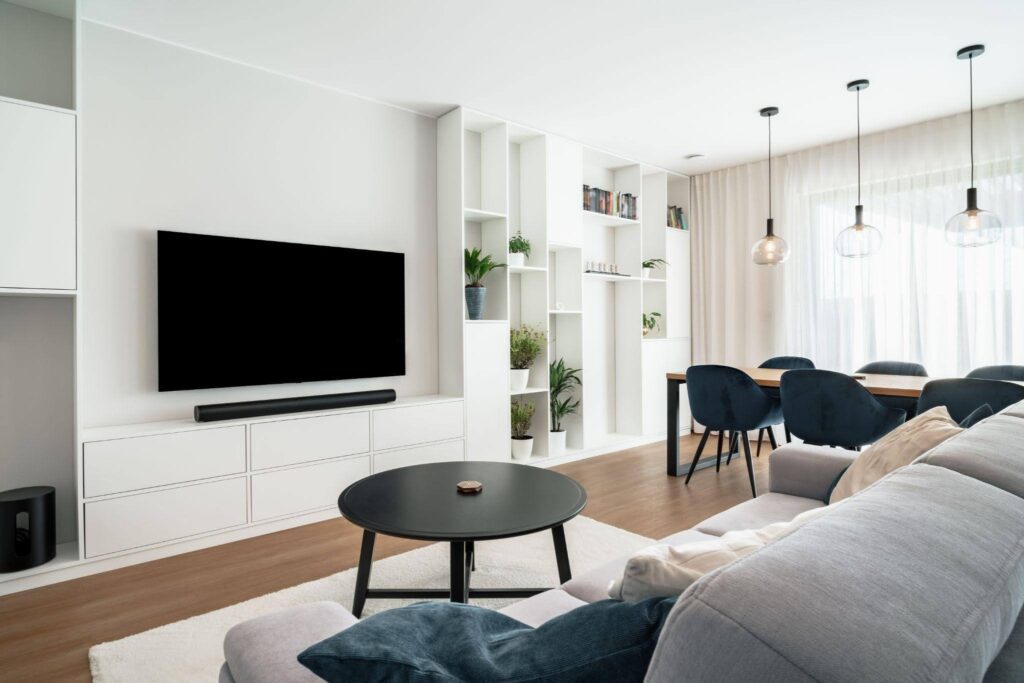
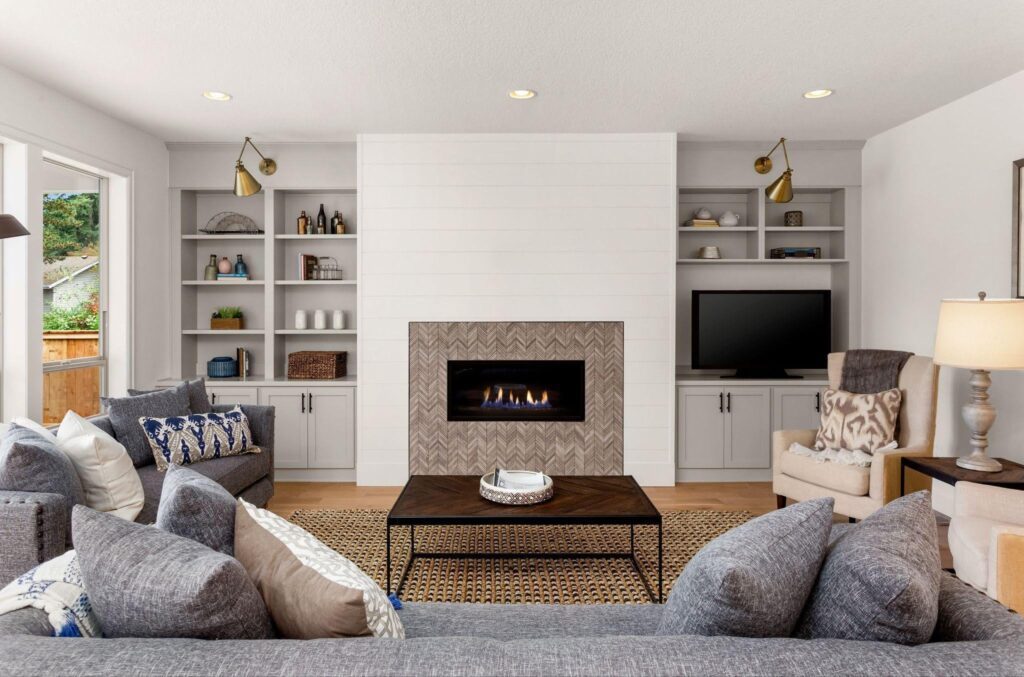
Living room cabinets completely reshape how you use the room. Built‑ins around your TV or along a feature wall can:
- Store blankets, games, and kids’ toys
- Hide entertainment gear like movies, consoles, and speakers
- Provide a home for your TV instead of a bulky stand
Picture hosting a family movie night with everything tucked neatly behind doors, or a quiet evening on the sofa without stacks of clutter in sight.
Pro #2: Boost aesthetics and style
Cabinetry anchors the entire design. Custom-built‑in cabinets can:
- Frame your TV to look like part of a finished wall system
- Cover exposed wires, speakers, and components
- Fill out oddly shaped walls or corners
- Add counters or shelves for art, décor, plants, or family photos
Living room cabinetry instantly makes your space feel more luxurious and “finished.” Better Homes and Gardens has tons of creative inspiration for what these look like.
Pro #3: Free up visible space
Living room cabinetry offers a place for everything that usually ends up scattered around the room. By tucking those items behind doors and drawers, you clear up coffee tables, floor space, and cluttered walkways.
Cabinets help you maintain “white space” while still keeping what you need close at hand.
Pro #4: Fill awkward or wasted areas
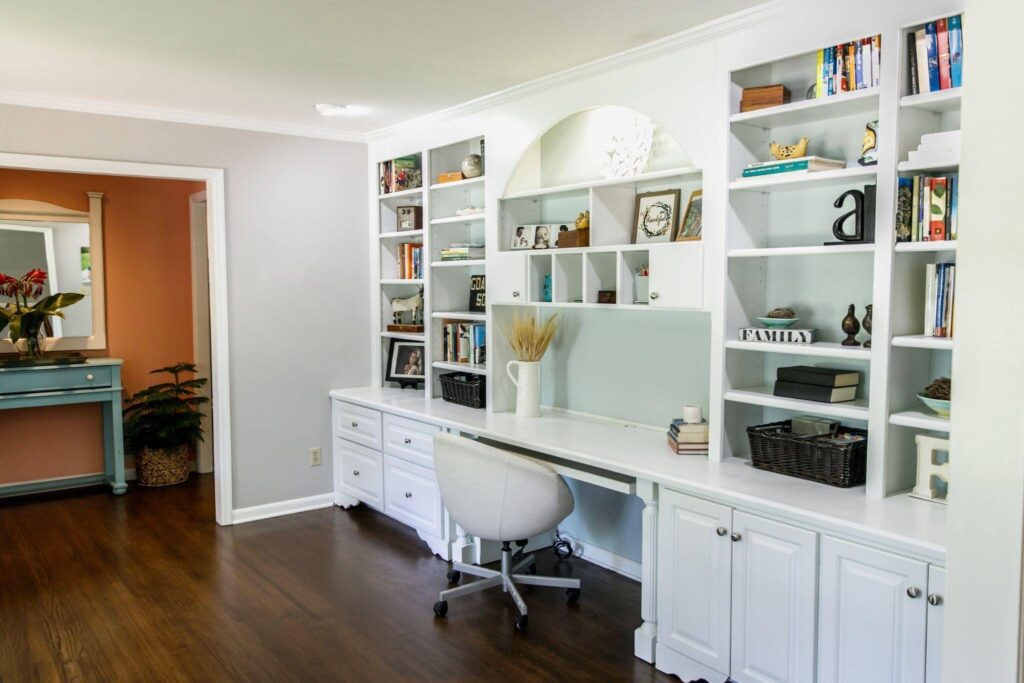
If your room has tricky corners or nooks, built‑in cabinets work with these areas to look intentional rather than awkward. A well‑designed piece fills shallow niches by a fireplace. Get creative and make a desk with built-in cabinets, a reading area, or a display area.
Cons of living room cabinets
Con #1: They crowd a small room
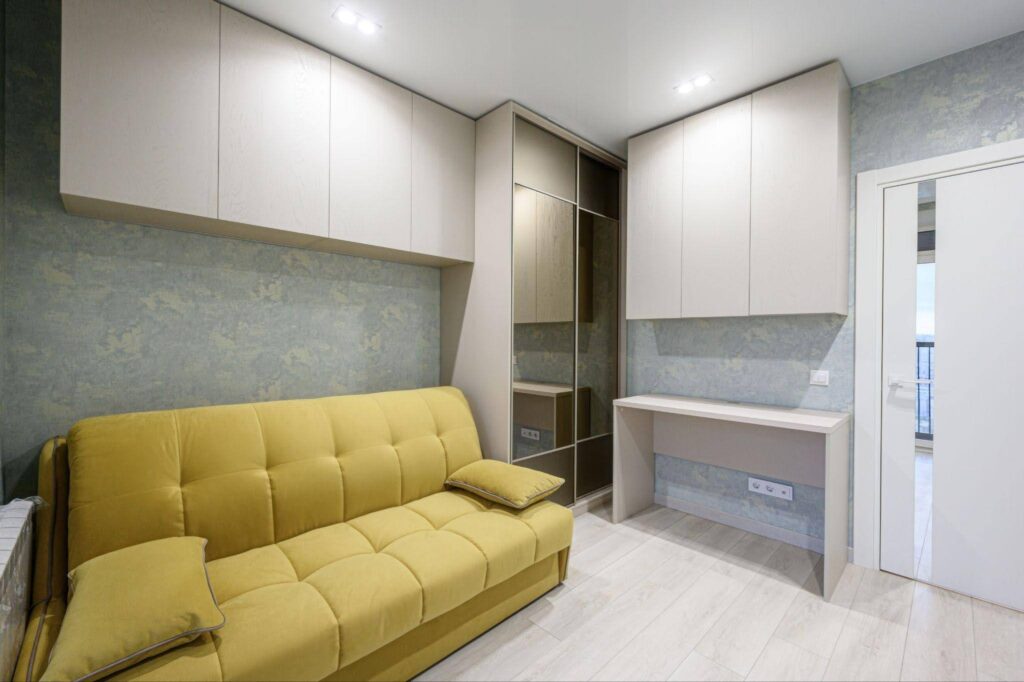
The room has to handle the cabinets for them to work well. In a smaller living room, bulky or dark cabinets will make the space feel tighter and overwhelm the existing furniture and decor.
In more compact rooms, a lighter cabinet finish and simpler door styles typically work better. A design pro can help scale the cabinets to the room so you get storage without losing breathing room.
Con #2: Dimensions and layout matter
For living room built-in cabinets to work, the proportions of the room and the built‑ins need to align. If the room is very long, unusually tall, or has multiple openings, a poorly planned layout will throw symmetry off balance, making one side of the room feel visually heavy. It’s also going to lock you into a specific furniture arrangement.
Once cabinets go in along a wall or around a corner, rearranging your living room becomes more challenging. That’s not always a bad thing, but it does mean you want to be sure about your long‑term layout before you commit.
Con #3: Custom work adds cost
Because living room cabinetry is often custom or semi‑custom, they come with an investment. Costs include:
- In‑home measurements and design
- Custom sizing for your specific wall, niche, or ceiling height
- Professional installation, trim work, and finishing
The upside is that you get something unique to your home that fits perfectly. For this to work, budget ahead, understand the price range, and weigh the value of long‑term function and style.
Con #4: Built‑in cabinets stay with the house
Unlike a freestanding media console, built‑in living room cabinets don’t move with you. If you’re planning to sell in the near future or you relocate frequently, you’ll want to consider:
- Whether the built‑ins will appeal to future buyers
- How much they might add to perceived value and resale
- If your design choices are timeless or very specific to your taste
In many Wasatch Front neighborhoods, well-made built‑in cabinets are a selling point.
Are living room cabinets right for your Utah home?
If your living room feels cluttered, underused, or has an awkward layout, custom cabinets might be exactly what it needs. On the other hand, if the space is small, highly flexible, or you’re unsure how long you’ll stay in the home, a lighter‑touch solution may be better.
The best next step is a professional walk‑through. An experienced cabinet designer will assess your walls, ceiling heights, and traffic patterns, and show you where built‑in cabinets would add value.
FAQ living room cabinets
Are living room cabinets worth it?
Living room cabinets are worth it if you need more storage and want a cleaner, built‑in look. They help hide clutter, organize electronics, and add display space, making your main living area feel put together and custom.
Do built‑in living room cabinets add value to my home?
In many cases, yes. Thoughtfully designed built‑ins make your living room look more upscale and functional, which appeals to buyers. The value impact is strongest when the style complements the rest of your home and the quality matches or exceeds other finishes.
How much do custom living room cabinets cost?
Costs vary based on size, materials, and design complexity. Custom living room cabinets typically cost more than off‑the‑shelf furniture but deliver a tailored fit and integrated look. A design consultation and quote will give you a clearer range for your specific space and budget.
Will living room cabinetry make my room feel smaller?
They are if they’re too large, too dark, or poorly scaled to the room. Choosing lighter finishes, clean lines, and a design that fits your wall dimensions helps keep the space open. A designer will adjust the cabinet depth, height, and layout to create storage that enhances the room rather than crowding it.
How do I decide where to put living room cabinets?
Start with how you use the room. If the TV is the focal point, cabinets work best around or below it. If you need a reading or homework zone, consider built‑ins along a quieter wall or in a corner. An in‑home design visit will help to map cabinet placement to how you live in a room.
Customize your living room with Mountain States Kitchen & Bath
Custom cabinetry can be more affordable than you expect, and it almost always looks more expensive than it costs. At Mountain States Kitchen & Bath, we design and install living room cabinets that fit your home, your style, and your budget.
We go beyond your kitchen. Our team helps homeowners across the Wasatch Front add beautiful, functional cabinetry in living rooms, mudrooms, entryways, garages, closets, and more.
If you’re curious how living room cabinets could work in your space, schedule a visit with Mountains States today. We’ll walk your space, talk through your goals, and recommend options that make sense for your layout and lifestyle.